Sweden is consistently ranked among the world’s most innovative economies. Technology, automation and new solutions are supported not only by the market, but also through the tax system. One of the most practical tools for companies working with research and development is the R&D tax relief called Forskningsavdrag.
In 2026, it remains one of the most effective ways to reduce the real cost of innovation — for both small companies and large groups.
What is Forskningsavdrag?
Forskningsavdrag is a tax relief that allows companies to reduce employer social security contributions for employees involved in R&D work. It is not a deduction from taxable profit — instead it reduces payroll-related charges, which often means a direct financial effect.
Key points at a glance
- Employer contributions can be reduced by up to 19.59%
- Maximum base of 3,000,000 SEK per month
- Applies to employees working with R&D
- Can also include work performed outside Sweden, as long as contributions are paid in Sweden
This is one of the more attractive payroll-based R&D incentives in Europe because it can improve cash flow without relying on grants.
Who can use the relief?
Forskningsavdrag can be used by commercial businesses regardless of size. Eligibility is based on the nature of the work, not the legal form.
Typical eligible businesses include:
- Technology and manufacturing companies
- Startups and scale-ups
- Service companies running development projects
- Businesses developing new products, processes, services or digital solutions
Both permanent employees and contracted individuals may be relevant — provided the work qualifies as R&D and social contributions are paid in Sweden.
What activities qualify as R&D in Sweden?
R&D can include, for example:
- Creating new products, technologies or services
- Software development and testing of new functionality
- Improving production and technical processes
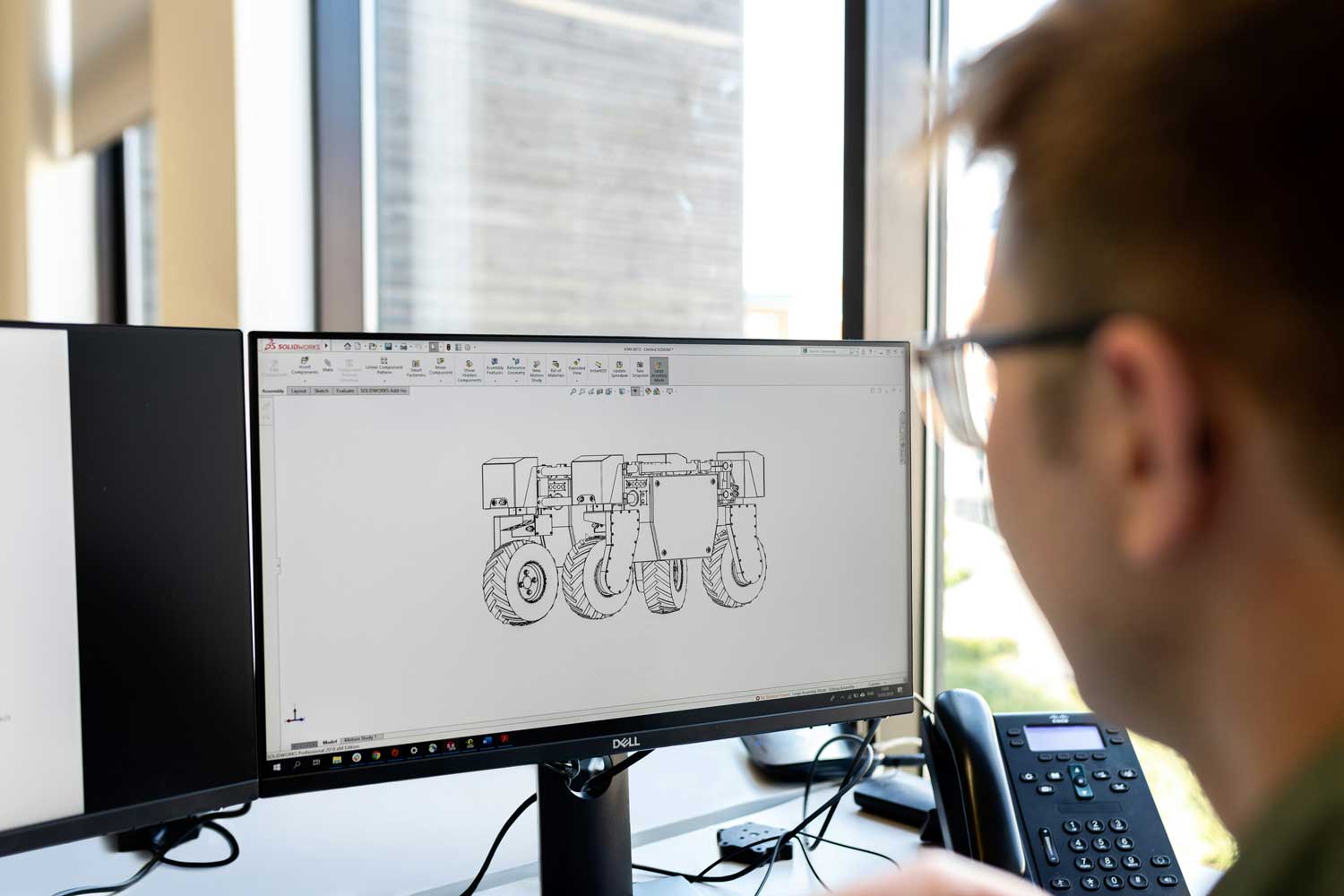
- Designing prototypes and models
- Technical or scientific investigations
- Developing new analytical methods or tools
If a project requires creativity, specialist competence and introduces something new or a significant improvement, it will often fall within the R&D scope.
Conditions you must meet
To apply the relief, the company typically needs to meet these requirements:
- The employee spends at least 50% of working time in that month on R&D activities
- The employee must not turn 66 during the tax year
- The project must have a commercial purpose
- The company must be able to document the R&D work performed
Activities funded by public institutions do not qualify for the relief.
What does the financial benefit look like in practice?
Employer social security contributions in Sweden are 31.42%.
With Forskningsavdrag, they may be reduced to around 11.83%, which can mean savings of hundreds of thousands of SEK per year if you have several R&D employees.
The relief is particularly valuable for companies employing highly qualified specialists — engineers, analysts, developers, designers, and other technical roles tied to innovation.
Why should companies use the R&D tax relief?
- Reduces the cost of running innovation projects
- Improves competitiveness
- Supports R&D financing without needing grants
- Encourages development and technology growth in Sweden
- Helps both domestic and international companies scale faster
Summary
Forskningsavdrag is one of Sweden’s most important tax tools for supporting innovation. Companies investing in research and development can significantly reduce payroll-related costs, making it easier to scale projects, hire experts and bring new technologies to market.
Revea supports companies with R&D tax relief and reporting
We can help you:
- assess whether your projects qualify as R&D
- prepare documentation for Skatteverket
- apply Forskningsavdrag correctly
- handle payroll cost reporting and ongoing compliance
Contact us if you want to make sure you’re using the relief in the most efficient and correct way:
08-678 18 40 or info@revea.se